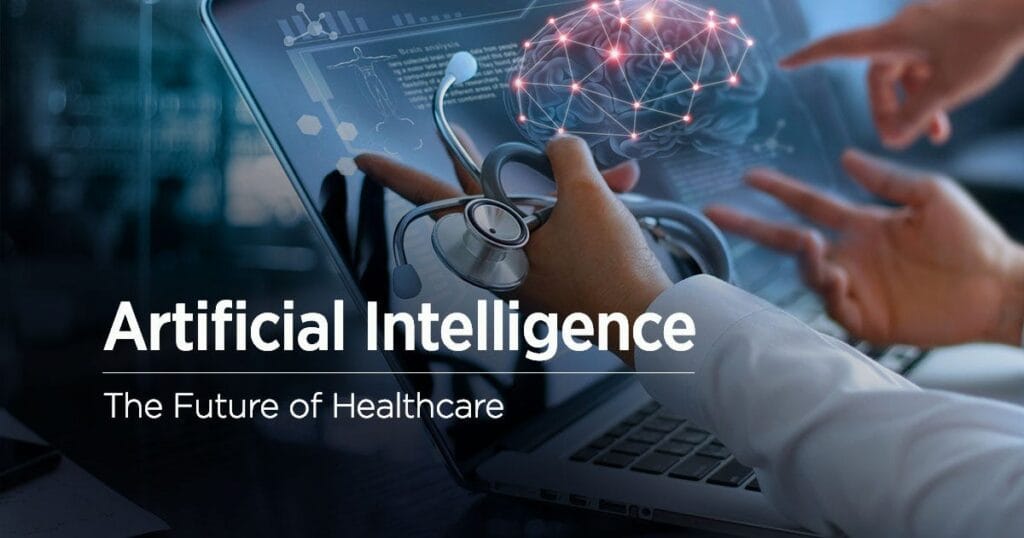
Artificial Intelligence (AI) is revolutionizing healthcare by enhancing diagnostic accuracy, streamlining treatments, and personalizing patient care. This transformative technology holds immense promise for the future of global health.
Key Applications of AI in Healthcare
- Enhanced Diagnostics
AI algorithms analyze medical images like X-rays and MRIs with exceptional precision, aiding early detection of conditions like cancer and neurological disorders. - Personalized Medicine
By leveraging patient data, AI creates tailored treatment plans that align with individual genetic, lifestyle, and health profiles. - Drug Discovery
AI expedites the drug discovery process by identifying potential compounds, significantly reducing research timelines and costs. - Virtual Health Assistants
Chatbots and virtual assistants provide medical advice, appointment reminders, and mental health support, improving accessibility. - Predictive Analytics
AI predicts disease outbreaks, tracks patient recovery, and anticipates healthcare needs, helping optimize resources.
Challenges and Ethical Considerations
- Data Privacy: Patient data security is a major concern.
- Bias in Algorithms: Ensuring AI models are unbiased and inclusive is crucial.
- Regulation and Approval: Stringent testing and validation are needed for AI tools.
Expert Opinions
Dr. Priya Nair, an AI healthcare researcher, states:
“AI is not a replacement for clinicians but a powerful tool to augment their capabilities, ensuring better patient outcomes.”
The Road Ahead
The integration of AI in healthcare will depend on collaborations between tech companies, medical institutions, and policymakers. Investment in AI training for healthcare professionals and robust regulatory frameworks is vital.
Read More – Latest Trends in Global Markets: A Guide for Savvy Investors
The Role of AI in Oncology and Mental Health
AI in Oncology
AI has become a crucial tool in oncology, especially in detecting cancers at early stages.
- Precision in Imaging: AI tools like IBM Watson and Google DeepMind analyze CT scans and mammograms, identifying anomalies with higher accuracy than traditional methods.
- Treatment Optimization: AI suggests chemotherapy regimens based on tumor genetics, enhancing treatment success.
- Predictive Modeling: Algorithms predict relapse chances, enabling proactive interventions.
AI in Mental Health
AI is revolutionizing mental health care by breaking barriers in access and diagnosis.
- Virtual Therapists: Platforms like Woebot use AI-driven conversations for cognitive-behavioral therapy.
- Mood Monitoring: AI analyzes user data from apps to detect signs of depression or anxiety.
- Crisis Management: Real-time monitoring flags potential suicide risks, prompting immediate action.
Challenges
Both fields face issues like data security, algorithm biases, and ethical implications of automated decision-making. However, proper regulations and interdisciplinary collaboration can address these concerns.
Would you like more in-depth insights into specific AI technologies for oncology or mental health care?
FAQs
1. How is AI improving diagnostics?
AI identifies patterns in medical data, enabling early and accurate diagnosis.
2. What is personalized medicine?
It’s a treatment approach tailored to individual patient profiles, using AI.
3. Is AI in healthcare affordable?
Though initial costs are high, long-term savings and efficiency balance it out.
Sources